
The Impact of Brexit on HGV Transport in the UK: What to Expect


Understanding Brexit's Influence on HGV Transport
The decision for the UK to leave the European Union, known as Brexit, has had a profound impact on various sectors, including the Heavy Goods Vehicle (HGV) transport industry. This sector plays a crucial role in the UK economy, ensuring that goods are transported efficiently across the country and to international markets. As Brexit continues to unfold, it is essential to understand how these changes affect HGV transport and what to expect moving forward.
Prior to Brexit, HGV transport benefited from seamless access across EU member states, with minimal border checks and streamlined regulations. However, the post-Brexit landscape presents new challenges that the industry must navigate.
Customs and Border Regulations
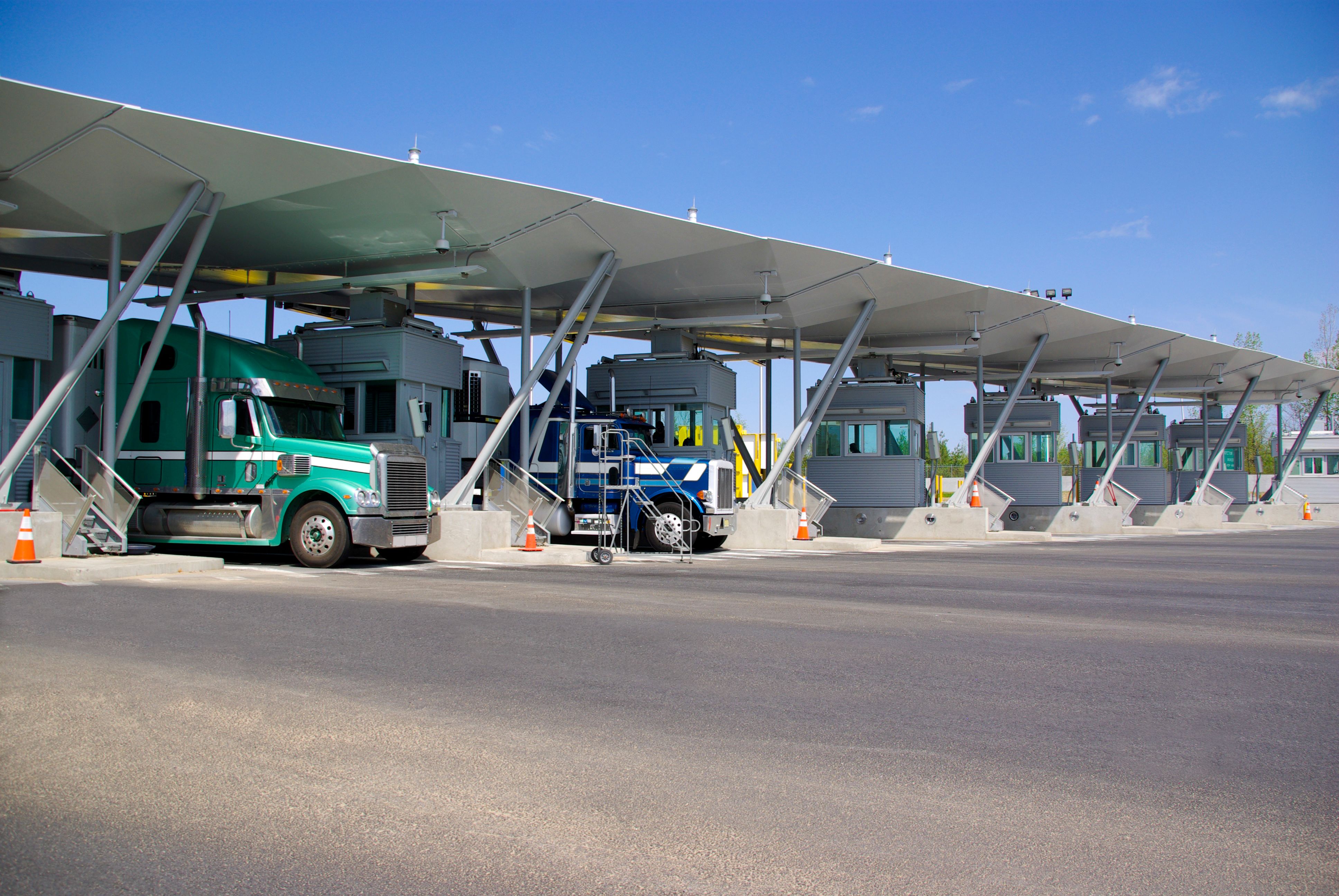
One of the most significant impacts of Brexit on HGV transport is the introduction of new customs and border regulations. The departure from the EU has resulted in increased paperwork and compliance requirements for HGV operators transporting goods between the UK and EU countries. This has led to longer wait times at borders, causing delays and increased operational costs.
The need for customs declarations and potential inspections means that HGV drivers must be prepared for extended transit times. Businesses have had to adapt quickly, often requiring investment in additional resources to manage this increased administrative burden.
Driver Shortages and Workforce Challenges
Another critical consequence of Brexit is the exacerbation of driver shortages within the UK. The end of free movement between the UK and EU has made it more difficult for foreign drivers to work in the UK, contributing to an already strained workforce situation. This shortage has created a ripple effect, impacting delivery schedules and increasing logistics costs.

Efforts are being made to address these shortages, such as increased training programs for domestic drivers and incentives to attract new talent into the industry. However, these solutions take time to implement and may not provide immediate relief for transport companies.
Adapting to New Trade Agreements
Post-Brexit, the UK has been negotiating new trade agreements with various countries, aiming to maintain a flow of goods similar to pre-Brexit levels. These agreements are crucial for HGV transport operators as they determine tariffs, regulations, and the overall ease of cross-border logistics.
While some agreements have been successfully negotiated, others remain in progress. The uncertainty surrounding these negotiations can make it challenging for businesses to plan long-term logistics strategies. Keeping abreast of developments in trade agreements is essential for HGV operators to remain competitive and efficient.
Future Outlook for HGV Transport
Despite the challenges posed by Brexit, there are opportunities for growth and adaptation within the HGV transport sector. Embracing technology such as digital logistics platforms can streamline operations and mitigate some of the administrative burdens faced by companies. Additionally, investment in infrastructure improvements can enhance efficiency and reduce bottlenecks at border crossings.
The industry is also looking towards sustainable practices to address both environmental concerns and cost-effectiveness. By exploring alternative fuels and investing in eco-friendly vehicles, HGV transport can align with broader sustainability goals while potentially reducing operating costs.
Conclusion
The impact of Brexit on HGV transport in the UK is significant and multifaceted. From customs regulations and driver shortages to adapting to new trade agreements, the industry faces numerous challenges. However, by implementing innovative solutions and staying informed about regulatory changes, HGV operators can navigate this new landscape effectively. As the sector adapts, there is potential for growth and increased resilience in the face of ongoing change.